Sri Lanka’s picture-perfect beaches and emerald highlands captivate vacationers, like a magnificent pearl shimmering in the Indian Ocean. Beneath the picture-perfect exterior, however, is a rich culinary tapestry: Sri Lankan cuisine, a complex fusion of age-old customs, thrilling celebrations, and a profound respect for its history.

A Spice Tour for Your Taste Buds
The smells and flavors of Sri Lankan food are quite vibrant. Picture the earthy depth of turmeric, the fiery kick of chiles, and the warmth of fragrant cinnamon dancing on your tongue. Almost every Sri Lankan cuisine starts with these spices, which are carefully combined and cooked to perfection. Unquestionably the stars of the show are aromatic curries, with each region having its special twist. Curries with a lot of spice, like Jaffna Crab Curry, are found in the north, while gentler but no less delectable curries, like Lamprais, are found in the south. Lamprais is a fragrant rice dish that is served with meat and vegetables.
From Farm to the Table
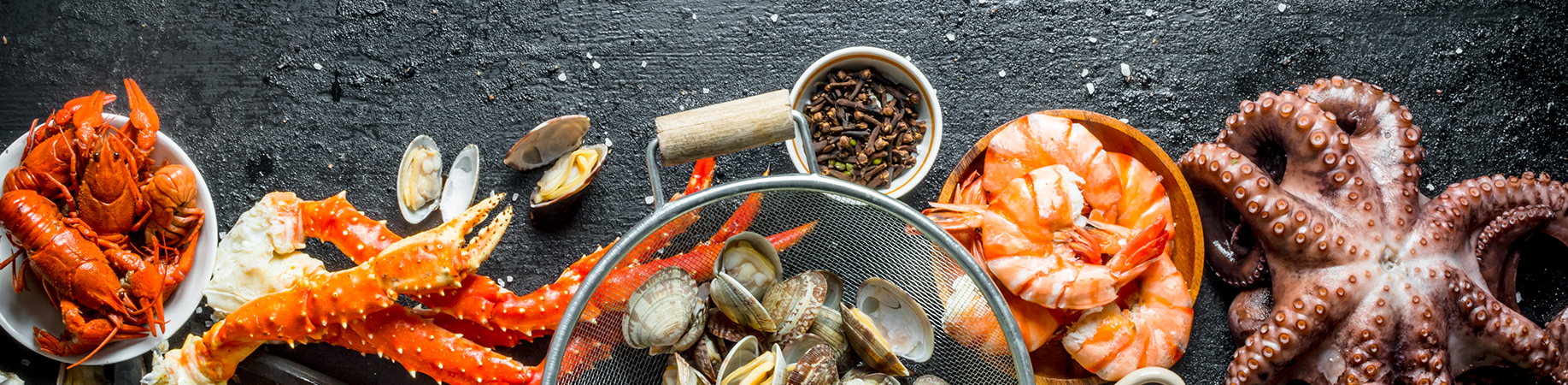
The lush landscapes of Sri Lanka are a veritable gold mine of locally sourced, fresh ingredients. Imagine the delicate flavor of newly caught seafood that has been expertly grilled, or imagine biting into a perfectly ripe mango, its sweetness overflowing on your tongue. Sri Lankan cuisine is bundled with the common ingredient coconut which gives curries and sambals a hint of richness and smoothness. Every meal begins with steaming hot rice, the staple that allows the colorful curries to express their flavors.
A Festival of Street Food for the Senses
For foodies, Sri Lanka’s streets are a paradise. Imagine the crispiness of the outside giving way to a rush of spiced potato filling as the aroma of freshly fried samosas fills the air. Sri Lankan cuisine extends to the street food delicacy kottu roti, which consists of stir-fried shredded flatbread with meat, vegetables, and a good amount of Sri Lankan spices. Enjoy delicious sweets such as wattalapam, cardamom, and cashew-flavored creamy egg custard, or a cool faluda, an iced beverage that is stacked with ice cream, jelly noodles, and rose water.
Festive Feasts in Sri Lankan Cuisine
Sri Lanka’s festivities showcase distinct culinary customs and cultural significance in addition to being visual feasts. Every year in July and August, there is a procession known as the Esala Perahera (Kandy Festival), which includes performers and ornately decorated elephants. The “Kapurala Perahera,” a parade that opens the event, offers a taste of traditional Kandyan food, such as aromatic rice dishes like “kiribath” and “kavum,” which are served with stews made with curried vegetables and meat.
Buddhists celebrate the birth, enlightenment, and death of the Buddha on Vesak Poya, which falls in May. Devotees make vegetarian-friendly sweets including “pani vadai,” “aggala,” and “aluthu faluda.” April is the month for celebrating the Sinhala and Tamil New Years, which symbolize a new beginning with vibrant décor and family get-togethers for special meals. The main attraction is the “Avurudu” (New Year’s rice) dish, which is spiced with pandan leaves and turmeric. It is served with chutneys, curries, and sweet sweets like “kavum” and “kokis”. Pongal is a harvest festival observed in January by the Tamil community. The dish, which consists of rice, lentils, milk, and jaggery, symbolizes prosperity and abundance.
An Immersion in Culture
Sri Lankan cuisine is a cultural experience as much as a meal. Imagine sitting on a woven mat on the floor with a native family, passing around each dish and enjoying it together. See how a bowl of classic rice and curry is lovingly made, a labor of love that includes cooking veggies, grinding spices, and blending tastes into a symphony. Discover the cultural meaning of specific foods in Sri Lanka, such as the use of auspicious crimson rice on particular occasions.
An Enduring Celebration for the Spirit
Sri Lankan cuisine has a strong connection to sustainability. Imagine going to a neighborhood market that is brimming with colorful produce harvested in the old-fashioned way. A lot of households grow their food, which guarantees freshness and a link to the land. Savoring regional specialties supports local communities’ livelihoods and sustainable practices in addition to pleasing your palate.
Discovering the Flavors of the Sri Lankan Cuisine
The food scene in Sri Lanka invites you to use your palate to discover a lively culture. So put away the guidebooks and take a culinary journey instead. A kaleidoscope of sensations awaits you in Sri Lanka, from spicy curries to mouthwatering street food. One mouthwatering bite at a time, prepare to have your taste buds teased and discover the real spirit of Sri Lankan hospitality.